

In today’s fast-paced business environment, small businesses struggle with a growing challenge: managing scattered data across multiple devices, departments, and locations. This fragmentation creates frustrating bottlenecks, with employees wasting precious time searching for files, dealing with version conflicts, and wrestling with slow access speeds. Traditional storage solutions no longer suffice for modern workflows that demand instant access and seamless collaboration. Enter NVMe NAS (Network Attached Storage) technology – a game-changing solution that revolutionizes how small businesses handle their data. By combining lightning-fast NVMe storage with robust networking capabilities, these systems deliver unprecedented speed, reliability, and centralized management. Unlike conventional storage options, NVMe NAS provides enterprise-grade performance at a scale and price point perfect for small business operations. For business owners seeking to streamline operations and boost productivity, NVMe NAS represents a strategic investment in future-proof infrastructure that grows with your needs.
Why Small Businesses Need Centralized Data Access
Small businesses today face mounting challenges from fragmented data storage that directly impact their bottom line. Studies show that employees spend an average of 2.5 hours per day searching for information across multiple storage locations, representing a 30% loss in productive work time. This fragmentation not only hampers productivity but creates serious security vulnerabilities, as sensitive data scattered across personal devices and unsecured drives becomes nearly impossible to protect effectively. Traditional file servers and consumer-grade storage solutions quickly become overwhelmed as data grows, leading to performance degradation and system crashes that interrupt business operations. The financial impact is substantial – businesses lose an estimated $15,000 per employee annually due to poor data organization and access delays. Without a centralized storage strategy, companies struggle to maintain version control, resulting in duplicate work and inconsistent customer deliverables. These challenges compound as businesses scale, making growth more difficult and expensive than necessary.
NVMe NAS Explained: The Future of Network Attached Storage
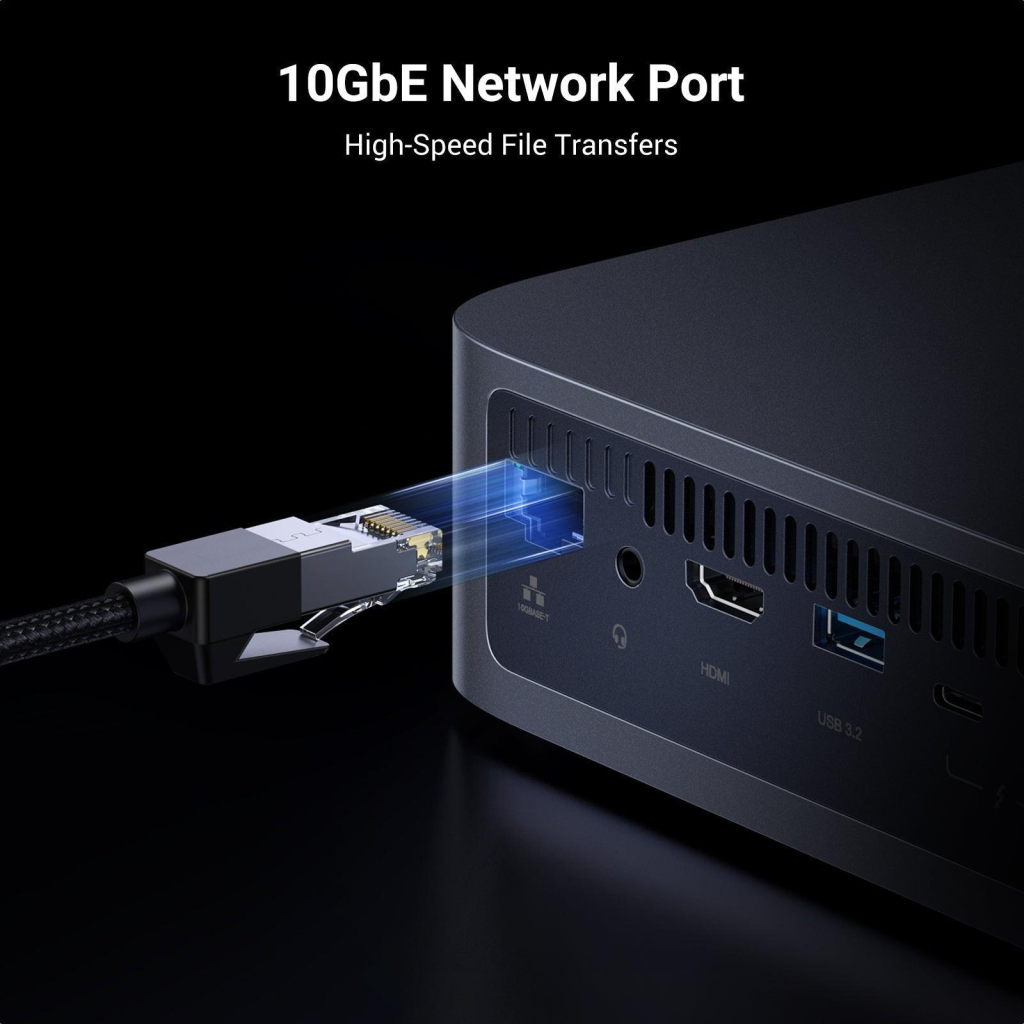
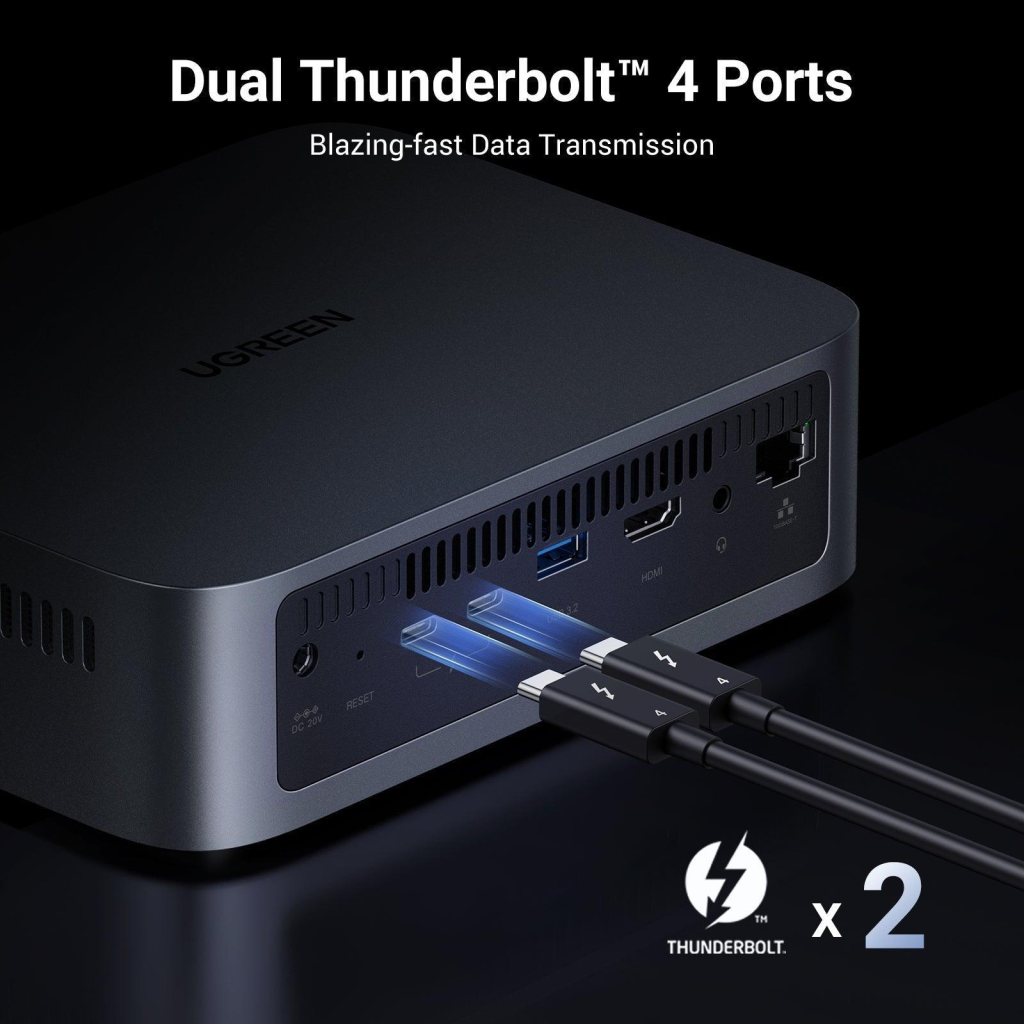
NVMe (Non-Volatile Memory Express) technology represents a quantum leap over traditional SATA SSDs, utilizing direct PCIe connectivity to eliminate storage bottlenecks. While SATA SSDs max out at around 550MB/s, NVMe drives achieve speeds of 3,500MB/s or higher – a 6x performance increase. When implemented in network attached storage systems, this translates to dramatically faster file operations across the network. The architecture bypasses legacy storage protocols, allowing data to flow directly between NVMe drives and system memory through multiple parallel channels. In real-world testing, solutions like UGREEN’s NVMe NAS systems demonstrate consistent sub-millisecond access times even under heavy multi-user workloads, with file transfer speeds reaching 2,500MB/s over 10GbE networks. This performance maintains compatibility with existing file sharing protocols like SMB and NFS, requiring no special client software. Organizations can simply mount NVMe NAS shares as network drives, instantly benefiting from the enhanced speed while maintaining familiar workflows.
NVMe NAS vs. Cloud Storage Alternatives
When comparing NVMe NAS solutions to cloud storage, the financial advantages become clear over a three-year period. While cloud storage appears cheaper initially, monthly subscription fees and data transfer costs typically exceed $12,000 annually for 20TB of actively accessed data. In contrast, a business-grade NVMe NAS system represents a one-time investment of similar magnitude but eliminates recurring costs. Performance differences are equally striking – local NVMe NAS delivers consistent sub-5ms latency regardless of file size, while cloud storage can lag 10-50x longer for large file operations, especially during peak usage. Data sovereignty presents another crucial advantage, as NVMe NAS keeps sensitive information within your physical control, simplifying compliance with regulations like GDPR and HIPAA. While cloud solutions depend entirely on internet bandwidth, NVMe NAS operates at full speed across your local network, only requiring connectivity for remote access. Many businesses optimize costs by implementing hybrid deployments – keeping frequently accessed data on NVMe NAS while archiving cold data to the cloud, combining the best of both approaches while maintaining control over critical workflows.
Unlocking Full Potential with 10GbE Network Infrastructure
Implementing 10GbE Networks Cost-Effectively
While NVMe drives deliver exceptional speed, traditional 1GbE networks create a severe bottleneck, limiting throughput to just 125MB/s. Upgrading to 10GbE infrastructure unlocks the full potential of NVMe NAS systems, supporting theoretical speeds up to 1,250MB/s per connection. For small businesses, implementing 10GbE requires strategic planning focused on essential components. Select managed switches with at least four 10GbE ports and SFP+ connectivity, prioritizing models from established manufacturers that offer basic Layer 2 features. When running cables, Cat6a remains cost-effective up to 100 meters, while DAC cables provide excellent value for shorter runs under 7 meters. Ensure network cards support SR-IOV and interrupt moderation for optimal performance.
Performance Optimization Techniques
Maximizing 10GbE performance requires careful configuration of network parameters. Enable jumbo frames with 9000 MTU across all devices to reduce overhead and improve large file transfer speeds. Implement flow control using IEEE 802.3x to prevent packet loss during heavy loads. Configure QoS policies that prioritize critical applications and limit backup operations to off-peak hours. Deploy network monitoring tools that track throughput, latency, and error rates, allowing early detection of potential bottlenecks. Regular performance testing using iperf3 helps validate network optimization efforts and identify areas for improvement.
Step-by-Step NVMe NAS Implementation Guide
Hardware Selection Criteria
When selecting NVMe NAS hardware, prioritize systems with at least four drive bays to enable RAID configurations that balance performance and redundancy. Look for hot-swap capabilities that allow drive replacement without system downtime. The RAID controller should support NVMe pass-through and offer hardware acceleration for parity calculations. For optimal performance, choose systems with Intel Xeon or AMD EPYC processors featuring at least 6 cores and support 32GB RAM minimum to handle intensive caching operations.

Configuration Best Practices
Begin implementation by running the initial setup wizard to configure network settings and create storage pools. Establish a hierarchical permission structure using LDAP or Active Directory integration for centralized authentication. Configure automated snapshots at 4-hour intervals during business hours and nightly full backups. For client access, deploy group policies that automatically map network shares and configure persistent mounts to ensure reliable connectivity.
Migration Strategies
Execute data migration during off-peak hours using robocopy or rsync with verified checksums. Minimize downtime by performing incremental transfers over several days before the final cutover. Create detailed validation checklists that verify file counts, permissions, and data integrity. Test access from multiple client systems and validate performance metrics match expectations. Document the entire migration process and maintain parallel access to legacy storage until the new system proves stable over two weeks of operation.
Advanced Data Management with NVMe NAS Systems
Modern NVMe NAS systems offer sophisticated data management capabilities that extend far beyond basic storage. Automated storage tiering intelligently moves data between high-performance NVMe drives and cost-effective hard drives based on access patterns, optimizing both performance and storage costs. This dynamic approach ensures frequently accessed files remain on lightning-fast NVMe storage while automatically migrating cold data to more economical tiers. For regulatory compliance, these systems implement hardware-accelerated AES-256 encryption without performance penalties, protecting data both at rest and in transit. Integration with version control systems like Git enables developers to maintain code repositories directly on NAS storage, complete with branch management and conflict resolution. AI-powered tools automatically categorize incoming files based on content analysis, streamlining organization and improving searchability. Built-in disaster recovery features support automated replication to offsite locations, with configurable Recovery Point Objectives (RPOs) as low as 15 minutes. Advanced snapshot capabilities allow instant file recovery from any point in time, while deduplication and compression reduce storage requirements by up to 70% for typical business data.
Transforming Business Data Management Through Innovation
NVMe NAS technology represents a transformative solution for small businesses struggling with data management challenges. By centralizing data storage with enterprise-grade performance, these systems eliminate the productivity drains of fragmented storage while delivering ROI through reduced operational costs and improved workflow efficiency. The combination of NVMe speed with robust networking capabilities provides a scalable foundation that grows alongside your business needs. While implementation requires careful planning and infrastructure considerations, the long-term benefits of enhanced security, simplified compliance, and dramatically faster data access make NVMe NAS a compelling investment. For small business owners ready to overcome data management hurdles, the path forward begins with evaluating current storage bottlenecks and developing a migration strategy. By taking action now to modernize storage infrastructure, organizations position themselves to handle growing data demands while maintaining competitive advantage in an increasingly digital business landscape.